

Apply to participate in the Hinternet Foundation Summer School,
“W(H)ITHER THE HUMANITIES?”,
taking place in August, 2026. Application deadline June 1.
Until 1975 or so, every instance of drumming in the history of Homo sapiens, and likely of other Homo species too, involved the striking, with some degree of force, with or without a mallet or stick, of an external object’s surface. No more. Unless clicking counts as “striking”, for the past half-century we have had a choice when it comes to sourcing our drumbeats. We can have the human kind, or we can have the machine kind. And yet either way we still have music — sort of. Not really. Maybe. I’ll come back to this soon enough.
What I’m most concerned with today is not just music, but language in the wake of the arrival of our new language machines, and more generally with everything that, we have reason to feel in the present era, is slipping away from us. It may be, I want to say, that the externalization of music-making amounts to an even greater rupture with our human essence than does the externalization of language-making that follows it by a few decades. After all, music is among the only constituents of our essence that lies even deeper, both chronologically and ontologically, than speech.
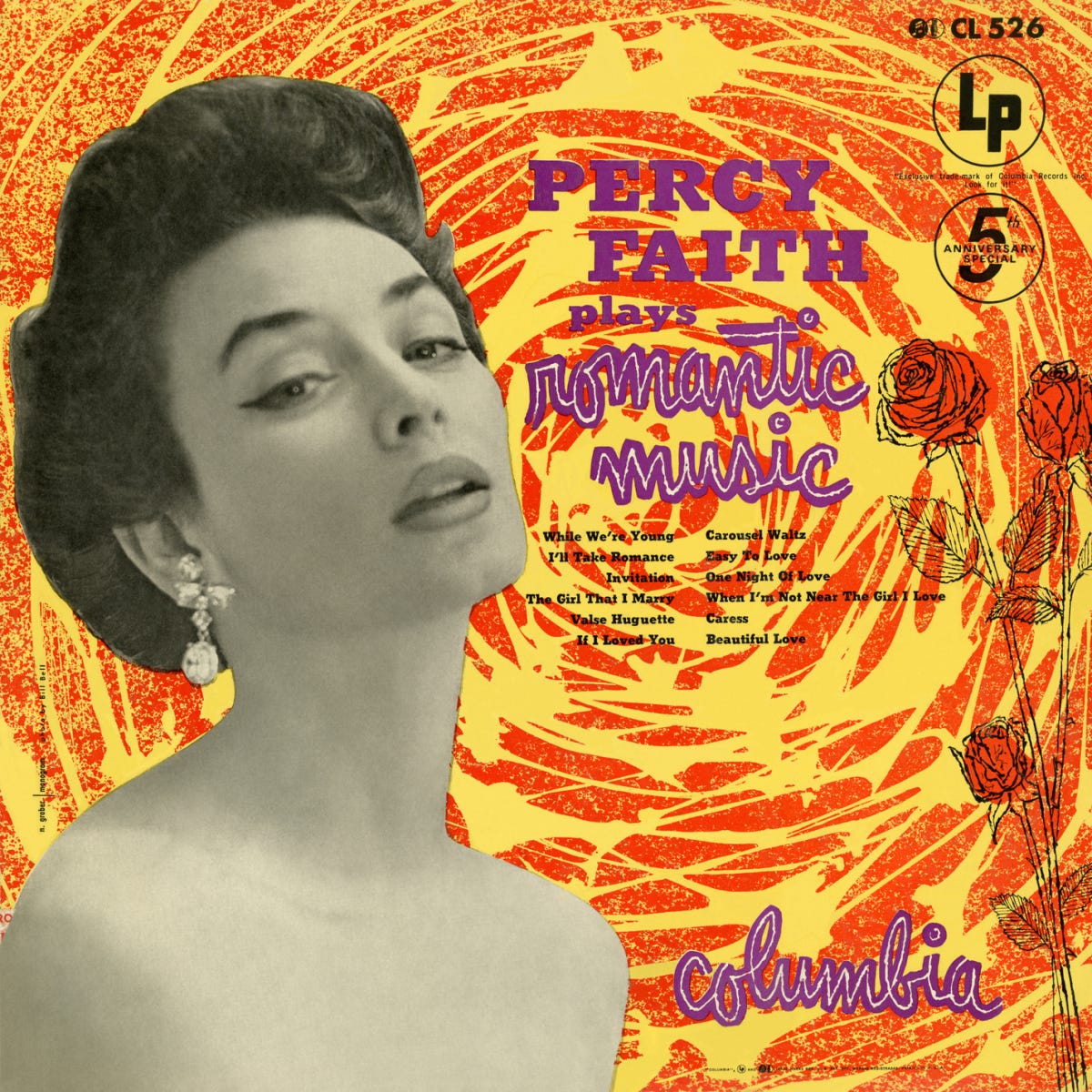
On one way of seeing things, our innate sense of rhythm, likely a cognitive and sensorimotor response to the experience of our own heartbeat, furnishes us with a far deeper connection to the world than language. It synchronizes us with the alternation of day and night, of the tides, of the seasons. It eternally confirms our position in a world conceived as an order. Language by contrast, you might suspect, is but a compensation. The moment we stop singing and dancing, we again experience ourselves as cut off from that order, and we attempt to bridge the reemergent gap by use of arbitrary and conventional signs. We wouldn’t have to do that at all, if our circumstances permitted us to just keep singing and dancing all the time.
There are indeed significant disanalogies between the drum-machine and the LLM that can make it seem as if the externalization of language has been the more important of the two recent ruptures. For one thing, drum-machines do not typically communicate with one another, or pose cybersecurity threats, and the number of jobs they have threatened or eliminated has been considerably smaller. But sometimes it helps to break our problems down into subproblems, and it seems to me that the subproblem of how to maintain our distinct human practices across the ruptures of technological revolutions —maintaining, that is, the things we have more or less always done in all human cultures, and that are widely seen as constitutive of human social existence as such—, might be significantly illuminated by comparison of our most recent AI revolution to the revolution in musical recording, broadcast, and production that precedes it.